
 Camden

 Contact us for
 Contact us for
Eczema (Dermatitis)
Eczema (Dermatitis)
Eczema, also known as dermatitis, is common in children and adults. It can affect anywhere on the skin, from the scalp to the toes.
Eczema is red, dry, flaky, peeling skin that is itchy. If it becomes infected from repeated scratching, the skin can become wet and crusty.
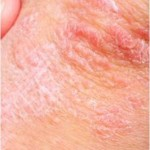
There are 7 types of eczema
1. Atopic eczema
This is a genetic tendency to have dry, itchy, red skin that easily becomes infected. A person or family member with atopic eczema may also have asthma, allergic rhinitis (sinusitis) and allergic conjunctivitis.
2. Dishydrotic eczema/ Pompholyx
This condition has vesicles (fluid-filled bumps) usually over the palms and soles and sides of fingers and toes. It can be intensely itchy. The underlying inflammation causes these fluid- filled bumps but they may worsen with secondary infection.
3. Seborrhoeic eczema
This condition occurs in babies, adolescents and adults. It usually occurs over oily producing areas of the scalp, medial eyebrows, sides of the nose and chest. In babies, it can also occur over the diaper area. It is thought to be associated with a type of yeast overgrowth known as Malassezia furfur.
4. Discoid eczema
This presents as round, coin-shaped rashes that can be dry or oozy occurring usually over the limbs but can also involve the body.
5. Stasis eczema
This condition is associated with underlying stasis and varicose veins due to prolonged standing but can have underlying genetic predisposition. It usually presents first over the lower limbs, such as the ankles but can worsen to involve the body and upper limbs.
6. Asteatotic eczema
This condition is due to dryness that comes with ageing, menopause and other underlying medical conditions or medications such as statins.
7. Contact dermatitis
Irritant contact dermatitis
Often due to frequent contact with water and chemicals that can cause the skin to dry out and become red and itchy, eg. Washing hands many times a day.
Allergic contact dermatitis
This is a true allergy to chemicals and a patch test can help detect the source.
Management
If you are prone to eczema, the following may help relieve your skin and prevent flares:
Avoid hot, humid, dusty environments
Wear loose, cotton clothing.
Avoid frequent contact with chemicals and hot water. They irritate and dry the skin. Mild soaps and soap substitutes are recommended.
Avoid smoking.
Minimize scratching.
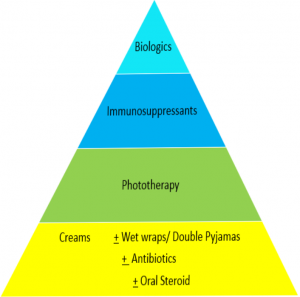
In addition, your doctor will prescribe medicated creams, lotions or ointments best suited for you. Moisturisers are a must and are to be used even after the eczema has settled. If necessary, antibiotics, anti-itch tablets or other oral medications will given as indicated.
Eczema is often likely to recur even many months later, so it is best to understand your skin. Know what aggravates it and avoid the flare factors. Be aware of what makes it better and instill it in your daily regime. Know your medications and be vigilant with the treatment plan. Your doctor will help and advise if you are unsure.
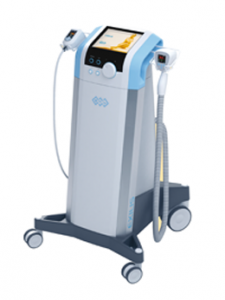
Exilis™ Radiofrequency
Face & Neck Tigentening
Exilis™ is the latest advancement in nonsurgical minimally invasive therapy for the reduction of targeted fatty deposits, skin tightening, and sun-damaged and/or wrinkled skin anywhere on the face and body for patients in our region.
Exilis is an FDA approved device that offers a non-surgical solution using radio frequency (RF) energy for fat reduction and tissue tightening anywhere on the body. The procedure uses safe radio waves to heat your skin and targeted fat cells. This thermal energy speeds up the metabolic activity of the fat cells causing them to shrink. At the same time it stimulates and strengthens the collagen network which improves skin laxity and texture.
Exilis is one of the first systems that promises actual circumferential reduction. By combining RF energy with cooling, we can treat all areas of the body where stubborn fatty deposits persist or tighter, firmer skin is desired. While the RF energy is heating the dermis, patients remain relaxed and comfortable as the system’s digital thermometer provides real-time monitoring and constant feedback as to the skin’s temperature, thus ensuring a comfortable and safe treatment.
What areas respond to Exilis Therapy?
The most frequent areas treated with Exilis Therapy in men are the “love handles”, breasts, abdomen, face, jowls and neckline. In women they include: face, jowls, neck, décolletage, arms, “bra fat”, thighs, hips, breast, buttocks, stomach, and knees.
During your consultation, you will want to explain the level of skin improvement & shaping you hope to achieve with treatment. We will examine your skin and your medical history to determine if you are a good candidate for Exilis Therapy. Together we will discuss your expectations and decide on the best treatment for you. Photographs may be taken for reference to compare your results.
During your procedure the Exilis computer-controlled delivery device is guided over the treatment area. You will feel a deep heating sensation as the Exilis RF energy is delivered to the deeper layers of the skin. The energy causes the collagen support tissues to remodel and tighten. The underside of the applicator provides cooling to your skin’s surface, and the built-in thermometer lets the operator maintain constant temperatures keeping you more comfortable during the treatment. No anaesthesia or numbing creams are required
The procedure takes from 15 – 30 minutes depending upon the size of the area.
How many treatments will I need?
The number of treatments for you depends on the condition and the area to be treated as well as your desired results. During your consultation, we will advise you as to the number and frequency of treatments that are recommended to achieve your desired results. Keep in mind that the results from Exilis Therapy are gradual and may take from 2-4 months to maximize the effects of the treatment.
What can I expect after treatment?
After our doctor performs Exilis Therapy you may notice some mild redness in the treatment area. This usually disappears in a few hours. You may resume normal activities immediately. Patients are also asked to increase water intake and to engage in light physical activity like walking to maximize cosmetic results.
Please visit www.btlaesthetics.com for more information.
What is psoriasis?
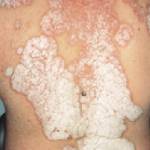
Psoriasis is a chronic disease where the immune system becomes overactive, causing skin cells to multiply rapidly. This leads to the formation of thick, scaly patches of skin, commonly found on the elbows, knees, and scalp. These patches are often itchy, creating significant discomfort, particularly in cold or humid climates such as Singapore.
Where is it found?
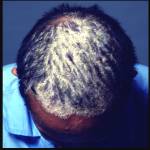
Affected areas can present as scaly patches on the scalp which are typically red and appear to be thicker and more extensive than regular dandruff. Nearly 50% of psoriasis cases have affected nails, and about 5-40% of individuals with extensive psoriasis experience severe joint pains and swelling.


How is psoriasis caused?
Psoriasis is usually caused by two factors: genetics and environment. Many individuals with psoriasis have a family member or relative with a history of the condition. In such patients, environmental factors such as extreme cold and dry weather can trigger this condition. Other factors that contribute to flare-ups include emotional and physical stress. For some patients, infections like flu or a throat disease can also trigger psoriasis, in addition to ingesting certain drugs such as anti-hypertensives.
Psoriasis typically develops in two phases: The early onset of psoriasis begins in the early twenties while the late onset begins in the age of 50 onwards.
Is psoriasis contagious?
No, psoriasis is not contagious and cannot spread or be transmitted from one person to another. However, if left untreated, it can spread from one area of the body to another. Proper care and treatment from a dermatologist are essential to managing and preventing the condition from worsening.
Will I pass on psoriasis to my children?
Although psoriasis is a hereditary skin condition, only about 40% of affected individuals have a family member or distant relative with a history of psoriasis. This chronic disease is caused by other factors, and inherited genes don’t always express psoriasis without the environmental factors that trigger it.
Is psoriasis a rare skin disease?
Psoriasis is known to affect at least 1-2% of Singapore’s population.
What treatments are available for psoriasis?
There are various psoriasis treatments that can help manage the disease, ranging from topical solutions to fairly recent therapies, such as:
-
- Topical Creams and Scalp Solutions: For individuals experiencing a milder form of psoriasis, using psoriasis cream or psoriasis ointment prescribed by a dermatologist can provide significant relief. These may include topical steroids or non-steroidal treatments such as a vitamin D3 derivative. Such treatments can also be beneficial in managing scalp psoriasis.
- Phototherapy: Another common option for psoriasis therapy is phototherapy, which involves exposing the affected skin to ultraviolet (UV) light. Both UVB and UVA have proven to be effective in treating psoriasis skin when administered in gradually increasing doses over a few months. To achieve optimal results, treatment usually needs to be done two to three times a week.
- Oral Medications: For more severe psoriasis cases, dermatologists may prescribe oral medication. While these medications can help manage psoriasis, regular monitoring with blood tests is vital owing to potential side effects, especially on the liver and kidneys.
- Biologics: These are a recent variety of drugs suitable for individuals with extensive or aggressive forms of psoriasis. Usually administered as injections, they target specific parts of the immune system, such as IL-17, IL-23, or TNF alpha, that cause psoriasis. Prescription medication has proven to be an effective and safe psoriasis solution for many patients.
Fillers (Hyaluronic acid)
Hyaluronic acid fillers are placed into unwanted fine lines, wrinkles and deep furrows of the skin to smoothen the contours of the face. They are often used to fill out the grooves between the nose, mouth and chin and the fine lines around the eyes and mouth.
Fillers are also used to replace volume loss that occurs with aging to provide a less tired, more youthful appearance. Volume replacement does not mean a fuller face.
Areas that will benefit from the voluminizing effects of fillers include the cheeks, the hollows below the eyes, straightening the sagging jawline, lifting the eyebrows, plumping thin lips, improving the contours of the nose, amongst others.
Treatment with an injectable filler is often combined with other procedures, such diluted wrinkle relaxant injections and laser treatments which are complementary and prolong their beneficial effects.
Depending on the type and location of the filler used, results can last from between 6 to 18 months. To maintain the aesthetic improvement, it is best to repeat the procedure before the lines and effects of skin laxity and aging appear again.
Please visit the following for more information.
www.restylane.com/Treatments
www.juvederm.com
Effective Acne Treatment in Singapore – Say Goodbye to Breakouts!
Commonly referred to as ‘pimples’, acne is a prevalent skin issue among teenagers. However, up to 20% of adults may also experience persistent acne owing to a number of reasons such as diet, hormonal fluctuations, stress, and certain cosmetic and skincare products.
This condition can affect the back, chest, and face, often appearing as whiteheads, blackheads, pimples, pustules, cysts, or painful nodules. In some cases, it can even cause severe scarring which may be challenging to treat.
Acne can be quite distressing for teenagers and adults alike, and seeking early treatment is important to reduce breakouts and prevent long-term scarring.
How a Dermatologist in Singapore Can Assist
A dermatologist in Singapore can recommend suitable treatments based on the severity of the acne. Topical creams, lotions, or gels may be prescribed along with a dermatologist-recommended facial cleanser. In severe acne cases, oral medications may be prescribed for effective acne control.
Once the acne is under control, a recommended plan will be advised by the dermatologist to prevent future breakouts or flare-ups. Additional treatments such as chemical peels may help regulate oily skin and enhance overall skin texture. If scarring occurs, various acne scar treatments are available based on individual skin types, including:
- Injections for keloidal scars
- Hydrafacial treatment for clogged pores and mild scars
- Non-ablative laser treatment for superficial acne scars
- Fractional laser for deeper scars
- Spot acid treatment (e.g., TCA spot/CROSS treatment) for sunken or ice-pick scars
- Chemical peels to address pigmentation and acne scars
For those seeking acne treatment in Singapore, it’s important to be patient, as results typically take around 4-8 weeks. Consulting with a certified dermatologist can provide the proper guidance and suitable treatment to help achieve clearer, radiant skin over time.
Why Choose Our Dermatologists for Acne Treatment?
Dealing with persistent acne can be frustrating, but our team of specialists is here to help. We offer a comprehensive, patient-centred approach to acne treatment, ensuring you receive suitable care for clear and healthy skin.
- Expertise in Acne Treatment: Our team of dermatologists specialise in treating all types of acne, including hormonal acne, cystic acne, and acne scars. We use diagnostic techniques to identify the root cause of your acne and tailor treatments accordingly.
- Tailored Treatment Plans: Every skin type is different, and this applies to each case of acne. Consulting with us ensures that you are provided with a personalised treatment plan based on the severity of your acne.
- Modern Technology: At The Dermatology Practice, we utilise modern technology in acne treatment, including laser resurfacing, LED light therapy, and microneedling, to target stubborn breakouts and reduce acne scars.
- Holistic Approach to Skin Health: Beyond treating acne, our acne dermatologists focus on improving overall skin health. We offer guidance on skincare routines, diet, and lifestyle adjustments to prevent future breakouts and maintain a clear complexion.
- Convenient Location: Our clinics are located in the heart of Singapore, offering easy access for residents and visitors. If you’re looking for a trusted dermatologist in Singapore for acne, we provide top-tier dermatological care in a comfortable and professional setting.
Schedule a consultation today and take the first step towards clearer, healthier skin!
Frequently Asked Questions (FAQs)
How do I know if I need to see an acne dermatologist?
If over-the-counter treatments aren’t working, or if you experience severe, persistent, or cystic acne, it’s best to consult a dermatologist specialising in acne treatment. A specialist can diagnose the root cause of your breakouts and provide the necessary treatments tailored to your skin type.
Is acne treatment suitable for sensitive skin?
Yes, many acne treatments are customised for sensitive skin. Your dermatologist will evaluate your skin condition at first, and then recommend gentle, non-irritating solutions such as mild facial cleansers, hydrating products, or low-concentration retinoids to keep your skin from experiencing excessive dryness or redness.
How long does it take to see results from acne treatment?
Results vary based on the treatment and individual skin type. Some people may notice improvements within a few weeks, while others may take a few months. Your dermatologist will monitor your progress and adjust the treatment as needed.
Can a dermatologist help with acne scars?
Yes, they can provide required treatments to reduce acne scars, including laser resurfacing, microneedling, and chemical peels. These procedures help enhance skin texture and minimise scar appearance over time.
How much does acne treatment in Singapore cost?
The cost of acne treatment varies depending on the type of treatment, consultation fees, and the severity of your acne. It’s best to consult a dermatologist to get a personalised treatment plan and pricing details.
HydraFacial™ (Serum infused Microdermabrasion)
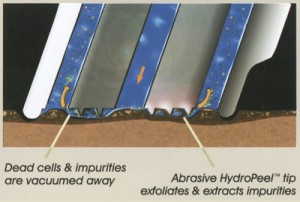
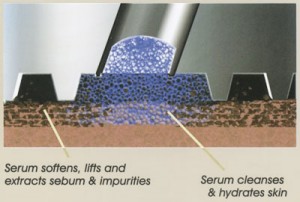
The HydraFacial MD™ is a serum-based skin resurfacing procedure that is suitable for all skin types. It targets fine lines, wrinkles, hyperpigmentation, brown spots, sun damage, and acne. This indulgent, hydrating facial includes a deep cleansing, followed by exfoliation, extractions, and antioxidant rejuvenation. This gentle facial is suitable for sensitive skin and yet delivers similar results to a more aggressive chemical peel without the downtime.
The “HydraFacial” treatment is the newest advance in non-laser skin resurfacing. HydraFacial is the only hydradermabrasion procedure that combines cleansing, exfoliation, extraction, hydration and antioxidant protection simultaneously, resulting in clearer, more beautiful skin with no discomfort or downtime. The treatment is soothing, moisturizing, non-invasive and non-irritating. The HydraFacial treatment improves the appearance of fine lines, wrinkles, congested and enlarged pores, oily or acne-prone skin, hyper pigmentation and brown spots.
HOW IT WORKS
Vortex-cleansing
The HydroPeel tip hydrates the skin with nutrient-rich solutions, deeply cleanses the pores, and softens and lifts away impurities
Painless Vortex-Extraction
The vortex effect is created to easily dislodge and remove blackheads, whiteheads, and sebum, allowing for quick and painless extractions
Hydropeel Exfoliation
The patented HydroPeel tip has multiple abrasive edges that exfoliate the skin several times each pass to achieve better, even skin resurfacing results without irritation
Vortex-Fusion
The unique spiral design Vortex-Fuses hydrating skin solutions and potent antioxidants into the skin, improving the appearance of fine lines, wrinkles, oily skin and hyper pigmentation
Please visit www.hydrafacial.com for more information.
Skin Allergies

Skin allergies are common and may present in various forms. These include itchy swollen patches (urticaria or hives), scaly red eczema-like patches, weepy infected-looking patches with blisters, etc. Many different agents can give rise to allergic reactions. Common agents include medications or drugs, chemicals, dyes, airborne agents and foods. Depending on the allergic reaction pattern as well as the suspected agent causing the allergy, special tests can be done to determine if the agent(s) suspected is truly the cause of the allergy. Some of these tests include:
Prick tests – this is where minute amounts of the suspected agents are pricked on the skin to determine if a reaction is present. The results are usually ready within 30 mins. Agents that can be tested using this method include certain airborne agents, foods and certain medication. (See Prick Test for more details)
Patch tests – this is where the suspected agents are plastered onto the back. It should be left on for 48 hours. A return trip to the clinic is required to determine the reaction. Agents that can be tested with this method include dyes, metals and certain medications. (See Patch test for more details)
Blood tests – this method is good when many agents are suspected to have possibly caused the allergy. Processing time varies from days to weeks. Agents tested using this method include food, airborne agents and certain medications. (See Laboratory test for more details)
Treatment of allergies always entails avoiding the offending agent causing the allergy, once identified. The skin reaction that has already occured has to be treated as well. Treatment would include topical creams, oral medications and/or injections, depending on the severity and type of the reaction. Often times, a course of medication is required to calm down the allergic reaction that has already occurred. In very severe forms, hospitalization may be necessary for more intensive therapy.
Intense Pulsed Light (Photofacial)

The BBL™ BroadBand Light and the XEO IPL are highly versatile, comfortable and non-invasive photofacial treatments that uses high intensity pulses of visible light to treat a variety of skin conditions in face and body rejuvenation including fine lines, wrinkles, pigmentation and pore size. It helps decrease redness and the appearance of fine vessels on the skin.
IPL is also used for Hair Removal.
Please visit www.sciton.com and www.cutera.com for more information.
Laboratory Test
The allergen-specific antibody (IgE &/or IgG) test (also known as RAST, Radioallergosorbent Test) is a blood test used to screen for an allergy to a specific substance.
Allergy skin reactions include hives, eczema and dermatitis. This is especially useful if symptoms are recurrent and appear to be tied to triggers, such as exposures to particular foods or environments, and if other family members are known to have allergies.
Sometimes your doctor may recommend other blood tests if indicated.